
Cleaner cooking and sustainable bioenergy systems can strengthen energy security and improve health in sub-Saharan Africa
Doctoral research explores new links between energy, health and sustainability in rural Africa.
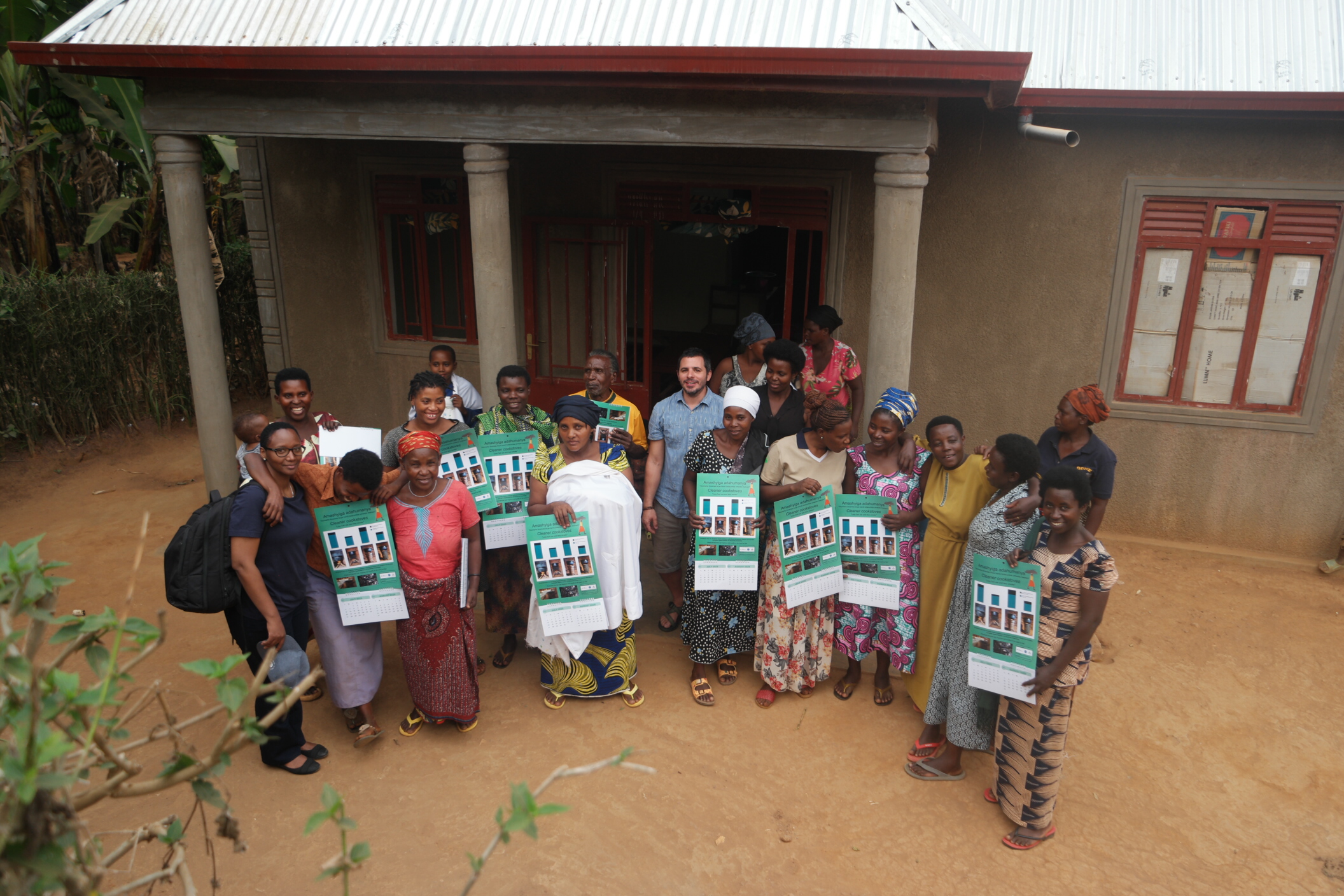
Access to clean and reliable energy remains a major challenge in rural sub-Saharan Africa. Millions of families still use traditional and inefficient cookstoves, which pollute homes with smoke, cause respiratory illness, place heavy burdens on women who collect firewood, and contribute to environmental degradation. In his doctoral thesis at Umeå University, Natxo García-López examines how more sustainable bioenergy solutions can address these challenges.
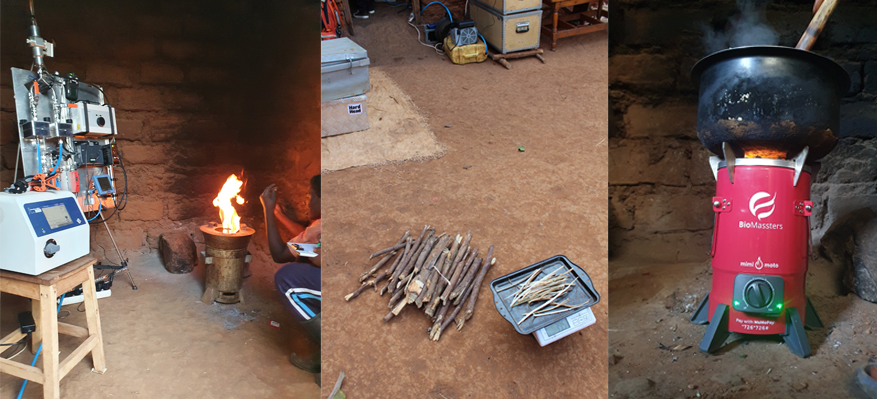
His work combines laboratory studies, field experiments in Rwanda, systematic reviews, and a perspective study that explores new bioenergy approaches. The findings highlight the value of improved cookstoves, which burn more efficiently and reduce both emissions and health risks. Still, García-López’s research extends beyond stoves to integrated energy solutions. In his thesis, he broadens the perspective to the community level, examining how bioenergy can be scaled and integrated into broader frameworks of rural development and energy access. By integrating agroforestry with bioenergy, he outlines a system in which farmland serves more than its traditional role of producing food. Sustainably managed trees and crops can supply households with cleaner cooking fuel while also generating surplus biomass for electricity production through gasification. In this way, everyday cooking becomes directly connected to rural development, energy security and improved access to modern energy services.
“It’s a blueprint for scalable, community-level energy solutions,” he says.
Fieldwork in Rwanda – challenging but rewarding
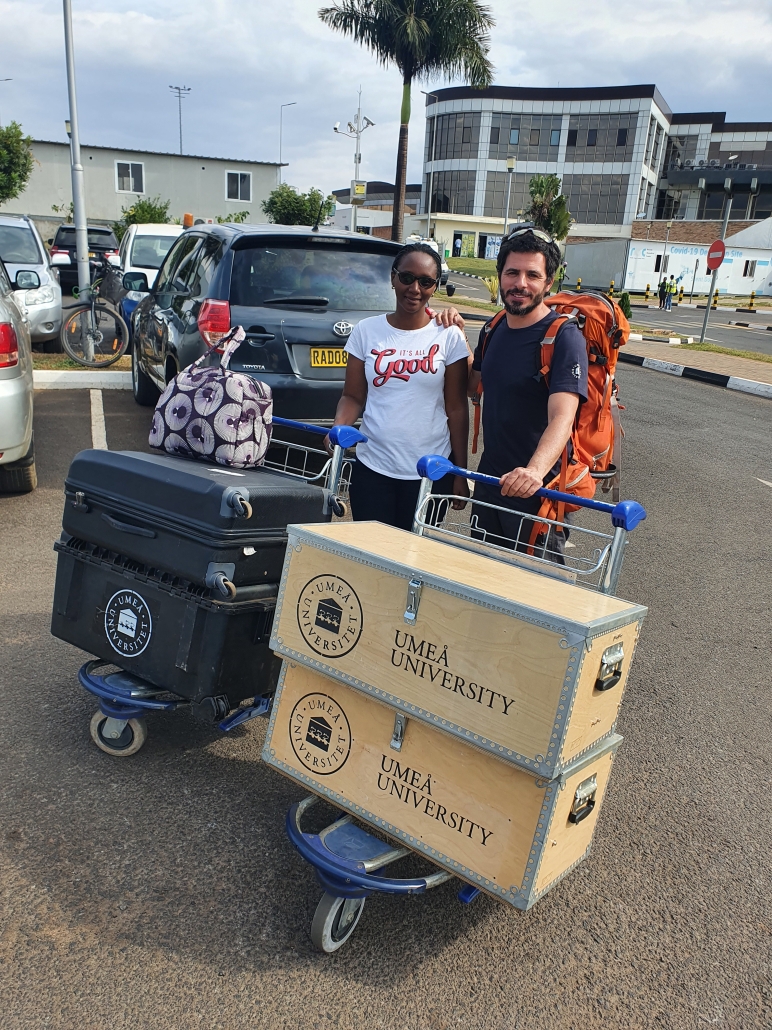
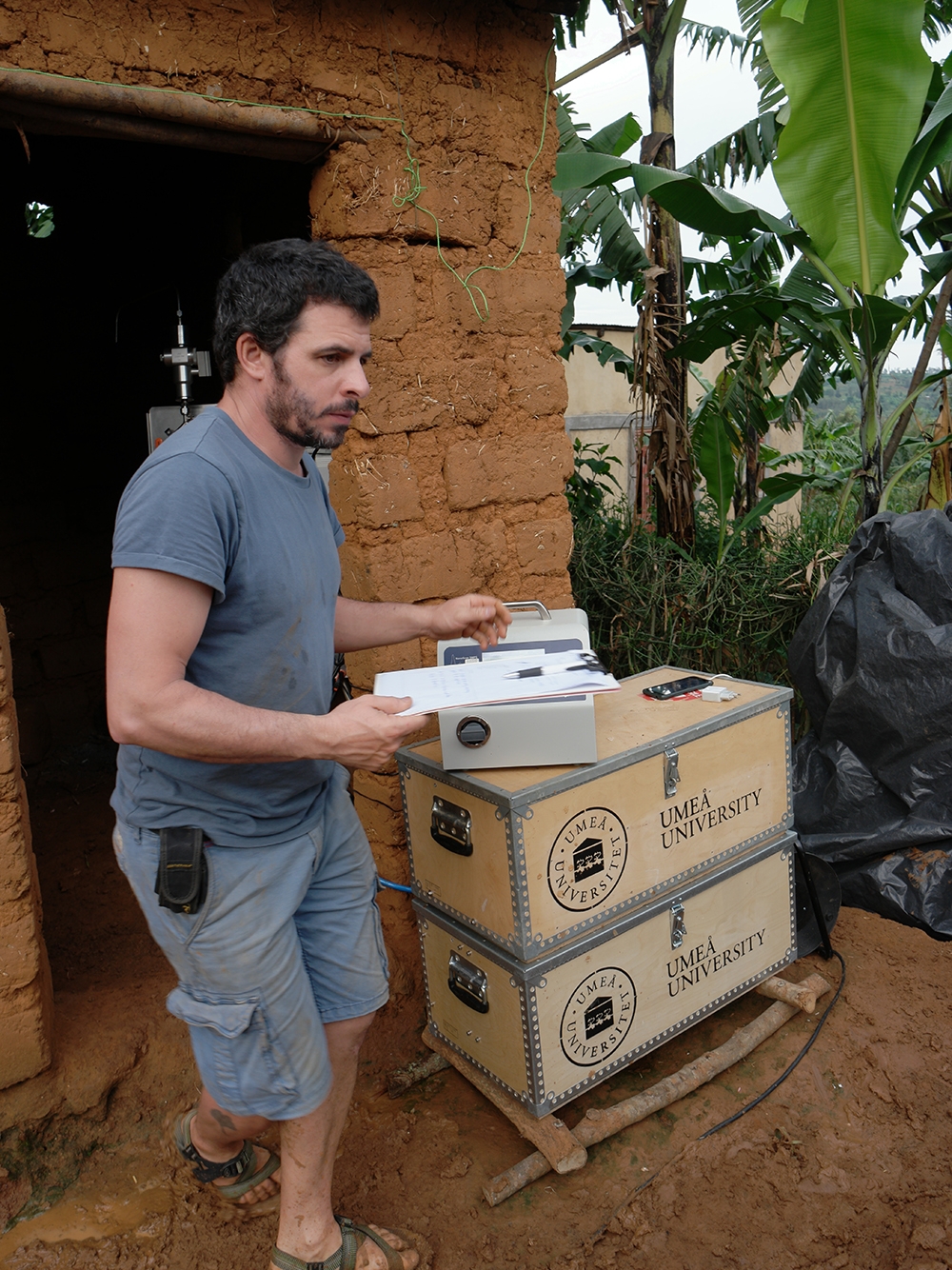
Conducting research in rural Rwanda was demanding, both logistically and scientifically. It involved traveling to remote areas, working with limited resources, and operating advanced instruments under difficult conditions. At the same time, it created opportunities to work closely with local communities and to collect data directly from rural households, offering valuable insights into their everyday challenges.
“Collecting data in these settings requires effort, infrastructure and experience. But it was also incredibly rewarding. It gave me a first-hand understanding of the challenges rural households face – and of how cleaner technologies can truly make a difference,” says García-López.
Beyond technology – a matter of people’s lives
Although the thesis devotes considerable attention to the technical analysis of combustion processes, emissions and particles, its implications reach far beyond engineering. It sheds light on the everyday realities of people in rural sub-Saharan Africa, particularly the lack of access to modern energy services such as clean cooking, electricity, and indoor air pollution. The findings also resonate with several pressing global challenges – from public health and gender equality to climate change and environmental sustainability.
“My findings are not only about energy systems. They also have implications for public health, gender equity and environmental sustainability. Cleaner cookstoves can make indoor environments safer, reduce the risk of disease, and ease the daily workload for women. At the same time, they help preserve forests and reduce climate emissions,”says García-López.
Beyond the technical contributions, García-López hopes that his work can spark dialogue among decision-makers and practitioners. Its true impact will depend on how it is received by the research community, policymakers, Non-Governmental Organisations and other actors, but his ambition is that it will make a positive difference for people in rural sub-Saharan Africa who remain without access to modern energy services.
What’s next? Bridging disciplines for real impact
While the dissertation provides new evidence and technical insights, it also opens the door to future research directions. García-López sees his work not as an endpoint but as the beginning of a broader research journey, one that blends technological innovation with real-world application in countries with developing economies.
“Resource-intensive and complex, yes, but by building interdisciplinary projects in rural sub-Saharan Africa, we can achieve cleaner air, better health, and a more sustainable energy future,” he affirms.
Natxo García-López will publicly defend his doctoral thesis at Umeå University on 19 September 2025.
The public defence is an open event, and all are welcome to attend. Why not take the opportunity to hear more about his work, and ask your own questions?