
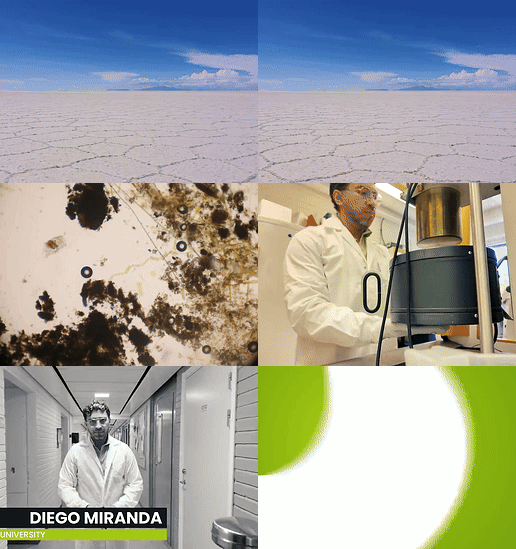
From the Andes to the Materials of Tomorrow
Video: Ali Valizadeh
We unwrap something we have bought, take out what we need and put the packaging aside. Within moments, the plastic has done its job. Its story, however, began millions of years earlier, with the formation of the oil from which it was made. There is something extraordinary about using a resource shaped over geological time for such a fleeting purpose.
And we do so on an enormous scale. In 2024, the world produced almost 430 million tonnes of plastic. Only about 0.6 per cent was bio-based.
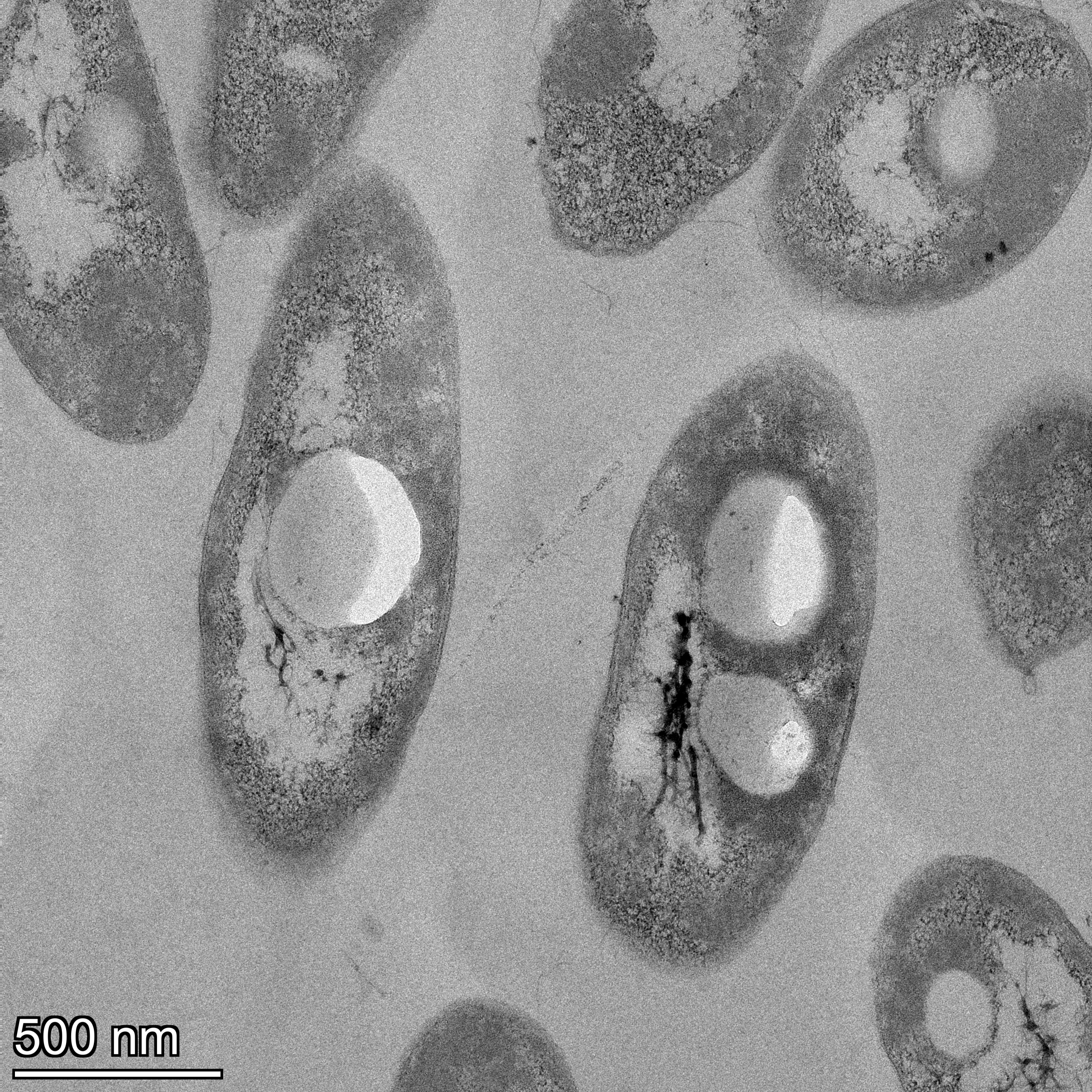
The search for other ways of making materials has drawn scientists towards processes that living organisms carry out every day. Some bacteria store a substance inside their cells that can be used to make biodegradable plastic. Others produce substances outside the cell, helping form a protective layer around themselves. For the bacteria, this is simply part of staying alive. For researchers, it offers the possibility of growing materials from renewable resources.
“We have to be more responsible with the materials that we produce, resources we use and our biosphere. Innovation should come with the capacity to harmonize with ecological cycles and long-term planetary boundaries, not with economic gain alone.
There is a practical difficulty, though. Bacteria need feeding, and the purified sugars commonly used to grow them can be expensive. Finding a suitable alternative means looking closely at both the food and the organism expected to use it.
Diego Miranda’s doctoral research brought together two seemingly distant worlds: the remains of a harvest and bacteria from the Bolivian Andes.
High in those mountains, around 4,300 metres above sea level, Laguna Colorada colours the landscape a vivid red. Elsewhere in the region, the white salt of Salar de Uyuni stretches towards the horizon. Salt, intense sunlight and thin mountain air make these demanding places to live. Yet bacteria inhabit them, adapted to conditions in which many other organisms would struggle.
Bacteria isolated from these environments became the focus of Diego’s research. Their ability to tolerate harsh conditions made them promising candidates for producing biopolymers from agricultural residues, which can present additional challenges for microbial growth.
“These microorganisms survive where many others cannot. It’s fascinating to think that their natural resilience might help us secure our own future one day.
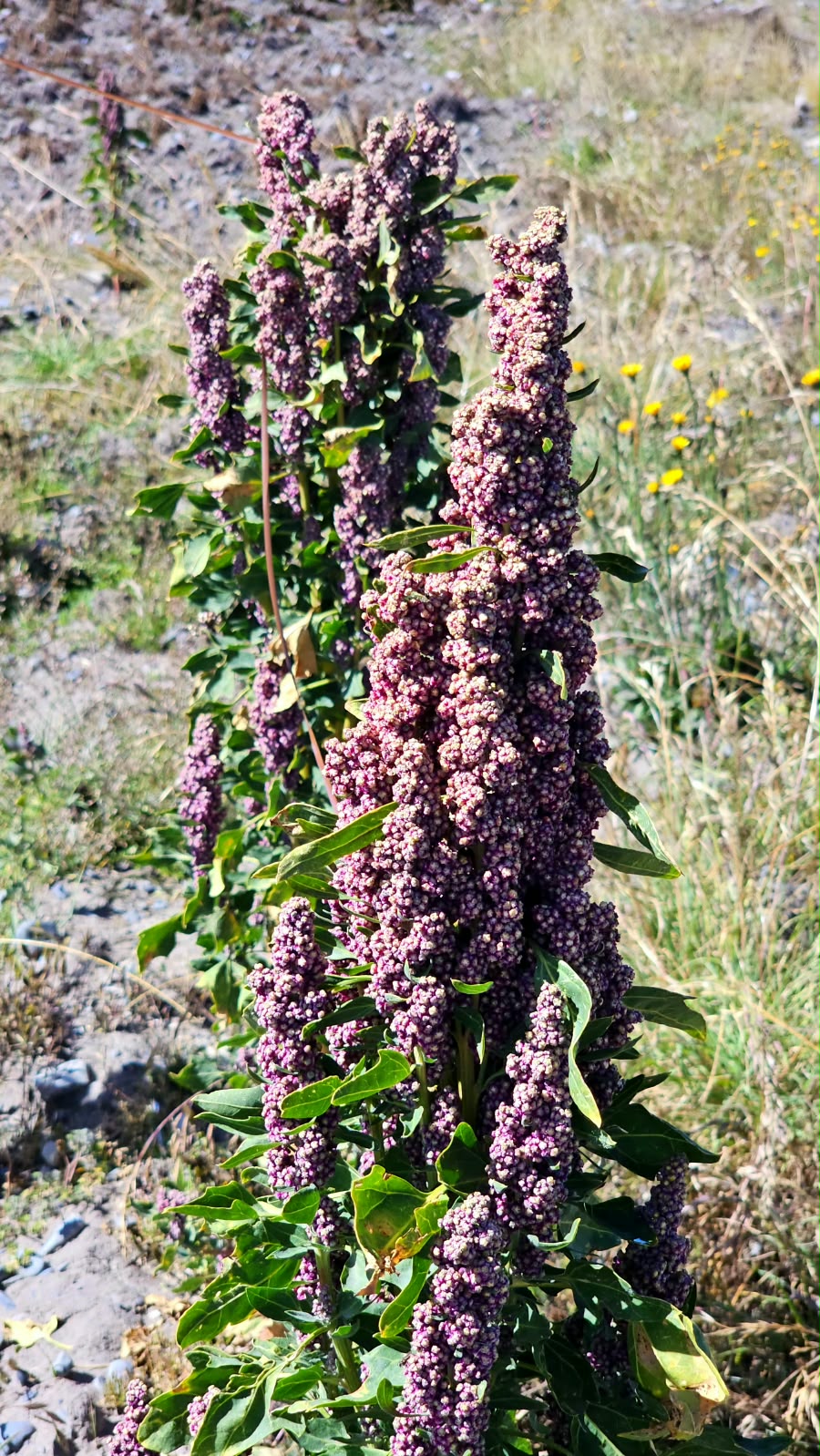
After a harvest, the stalks left behind still hold some of the carbon that the growing plants took from the air. Diego worked with quinoa stalks, an abundant residue in Bolivia, along with Jerusalem artichoke stalks and the material left after growing shiitake mushrooms. Each offered a possible source of sugars for the bacteria.
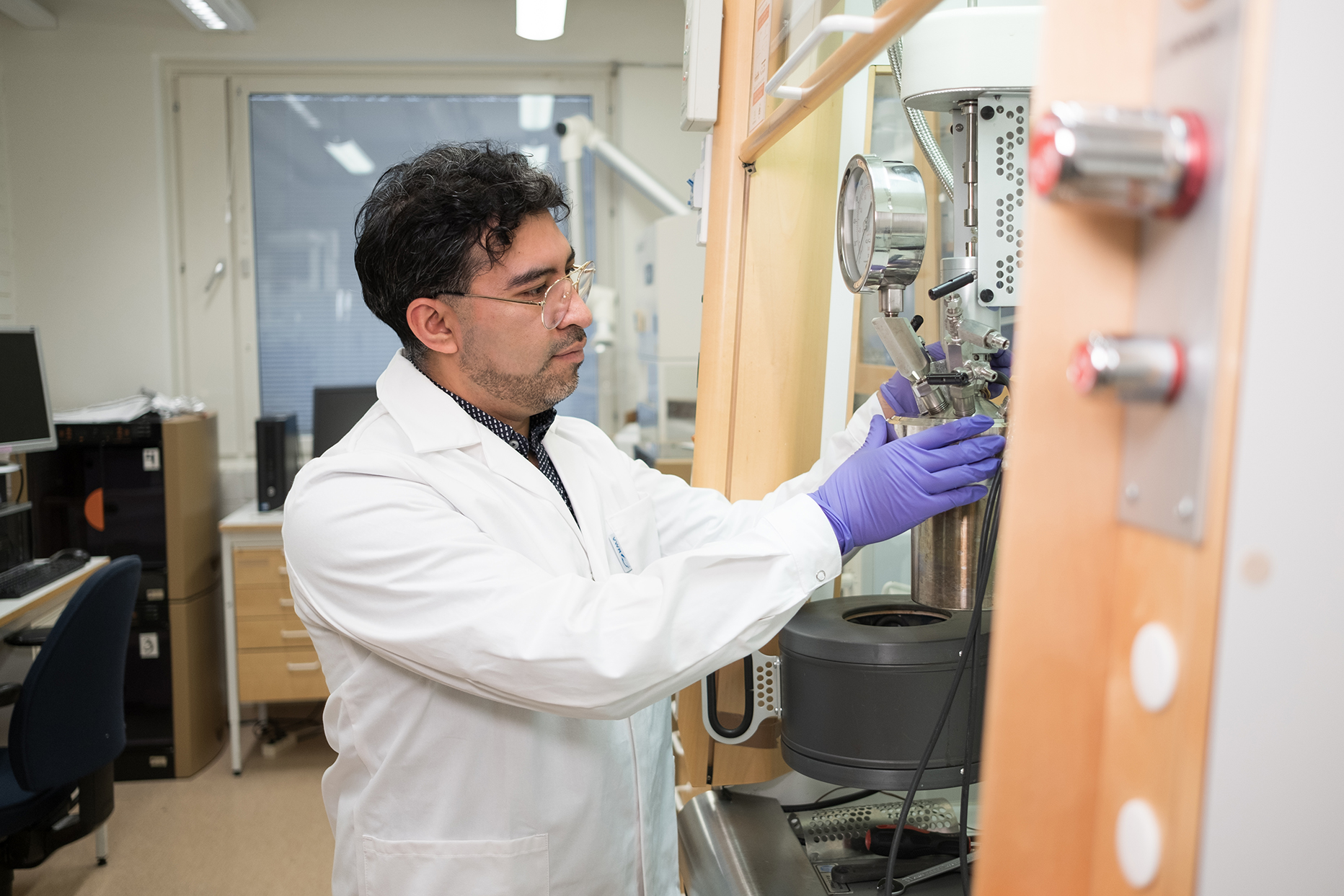
Getting at those sugars was another matter. They were bound into the plant’s structure, which had to be broken down before the bacteria could use them. The treatment could also release substances that hindered bacterial growth. More sugar in the liquid did not necessarily make it better food.
This delicate balance ran through the research. Preparing the plant material changed what the bacteria encountered. Changing their surroundings altered how they grew and what they produced. Every part of the process had consequences for the next.
Sometimes, another organism had already helped. In the mushroom substrate, the fungi had worked on the plant fibres during cultivation, making a further pretreatment unnecessary. Under the conditions tested, the resulting liquid supported the bacteria from Uyuni without any extra nutrients.
With a different bacterium, from Laguna Colorada, progress came through gradual adaptation. It was introduced, step by step, to increasing proportions of liquid prepared from quinoa stalks, until it could grow and produce a polymer in this new environment.
“I think the key is to look at the whole process. Getting the highest yield at every step isn’t always the best approach. Sometimes, accepting a little less in one part can make the whole process work better.
The biodegradable polymer produced from quinoa stalks retained the basic chemical structure of the one produced using a conventional laboratory medium, although its molecules were smaller and it was slightly less stable when heated. A residue from the harvest had become the starting point for a material whose properties could now be explored.
For Diego, understanding that journey meant following it all the way through: from opening up the plant fibres to growing the bacteria and examining what they made. His work provides a technical foundation for a process in which the carbon captured during a growing season can find another use after the harvest is over. Testing these approaches on a larger scale will be an important next step in taking that possibility beyond the laboratory.
The story that began at a red lake in the Andes continues at Umeå University, where Diego Alejandro Miranda will publicly defend his doctoral thesis, Biopolymers inside and out, on Friday 27 November 2026 at 09:00 in Aula Biologica (BIO.E.203). Everyone is welcome.
Video: Ali Valizadeh
Aula Biologica (BIO.E.203), Umeå University