
Imagine printing the foundation of a building instead of constructing it using traditional methods. Large scale 3D printing is already making this possible. But could natural fibres and biomass residues also become part of the materials used in the process?
This question lies at the heart of BIO-2-PRINT. Researchers and industry partners from Finland, Ireland and Sweden are investigating how natural fibres and components derived from biomass could be used to develop materials for 3D printing with bioplastics and concrete.
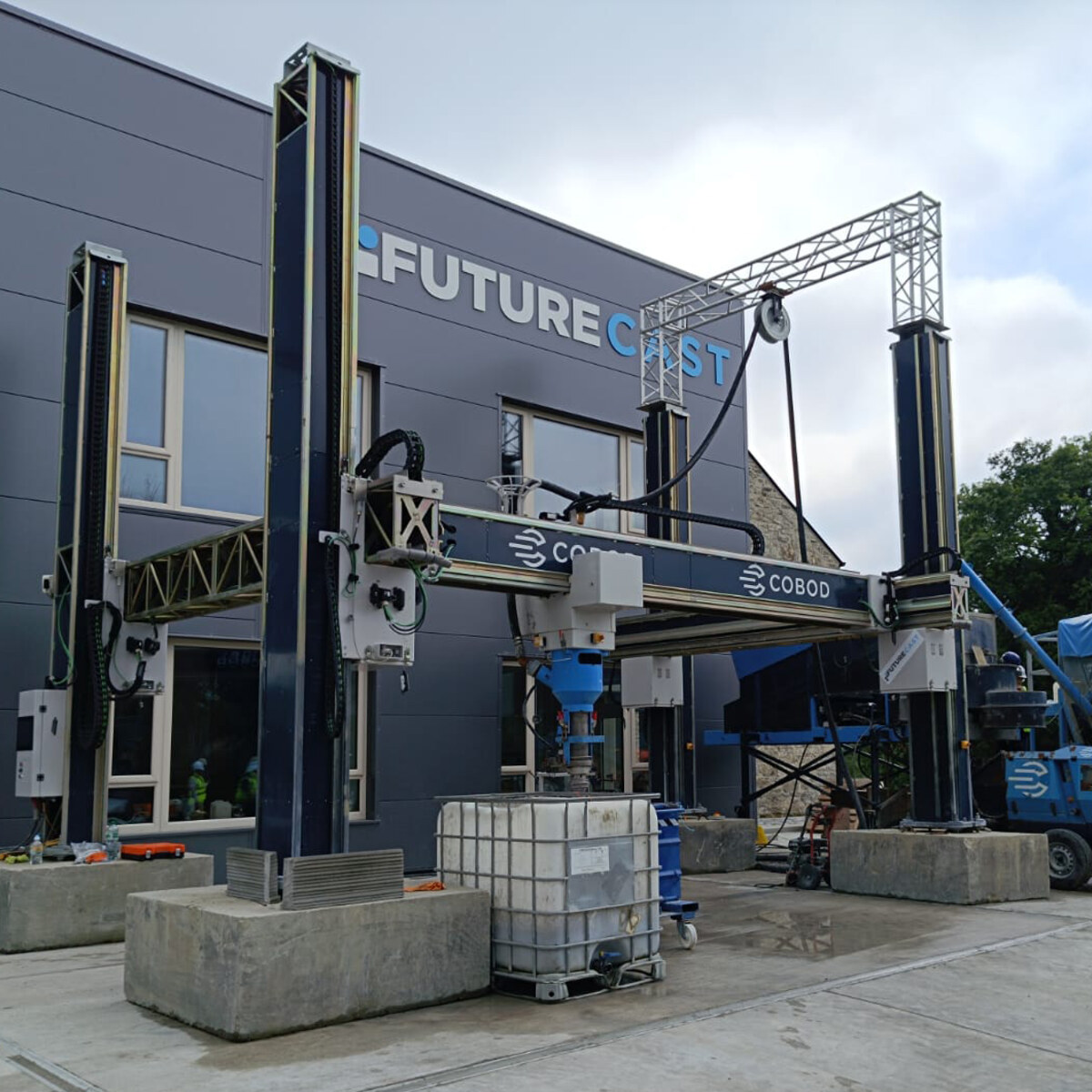
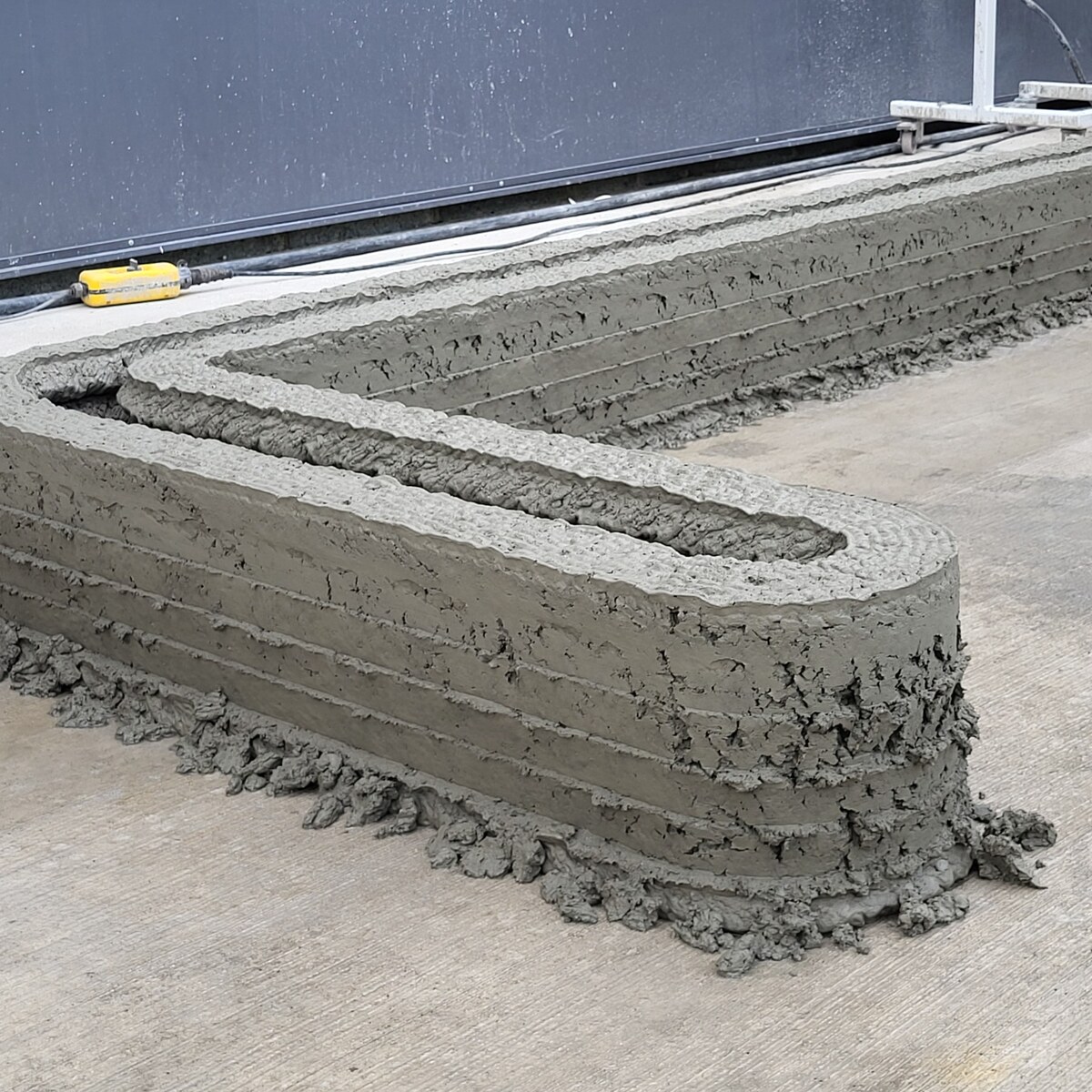
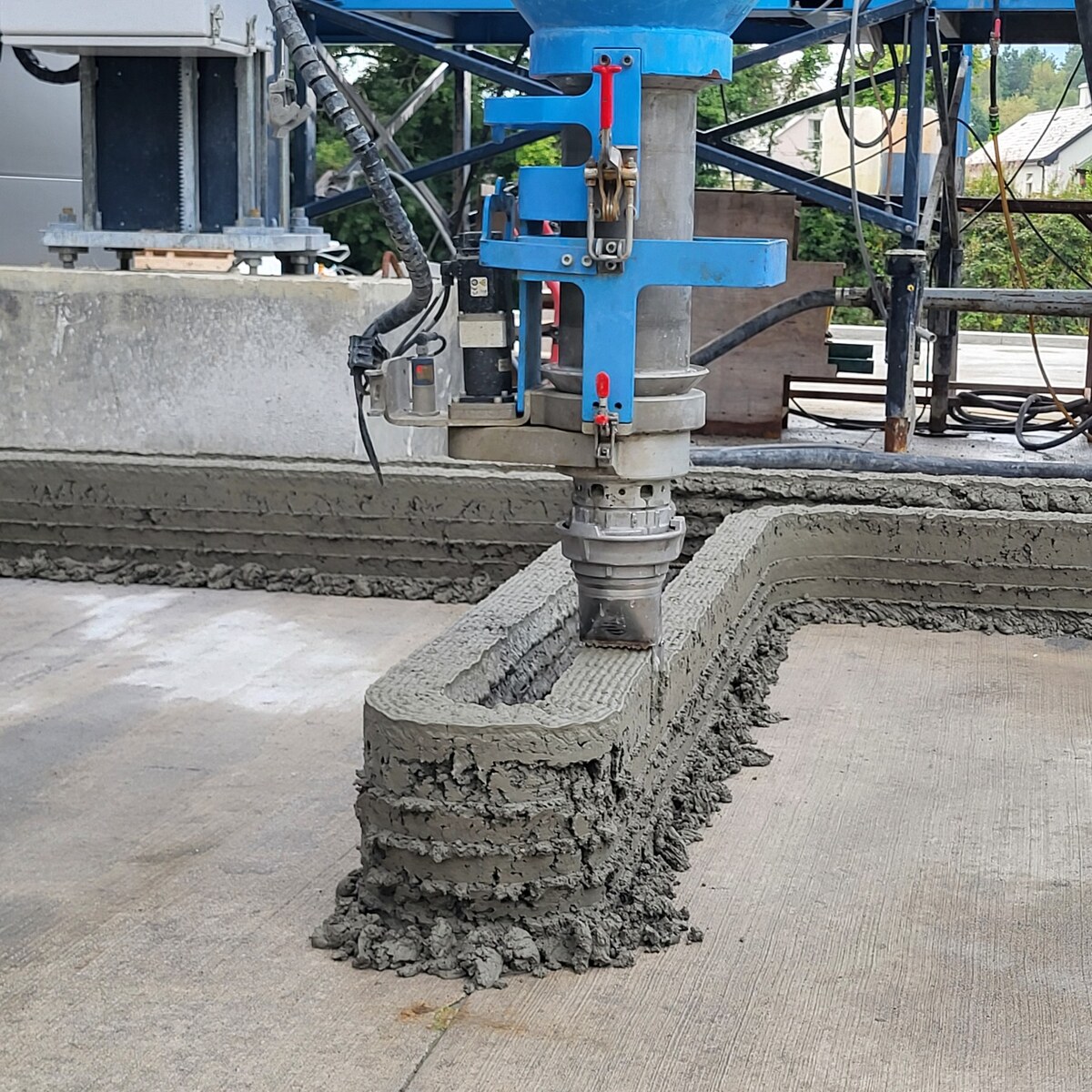
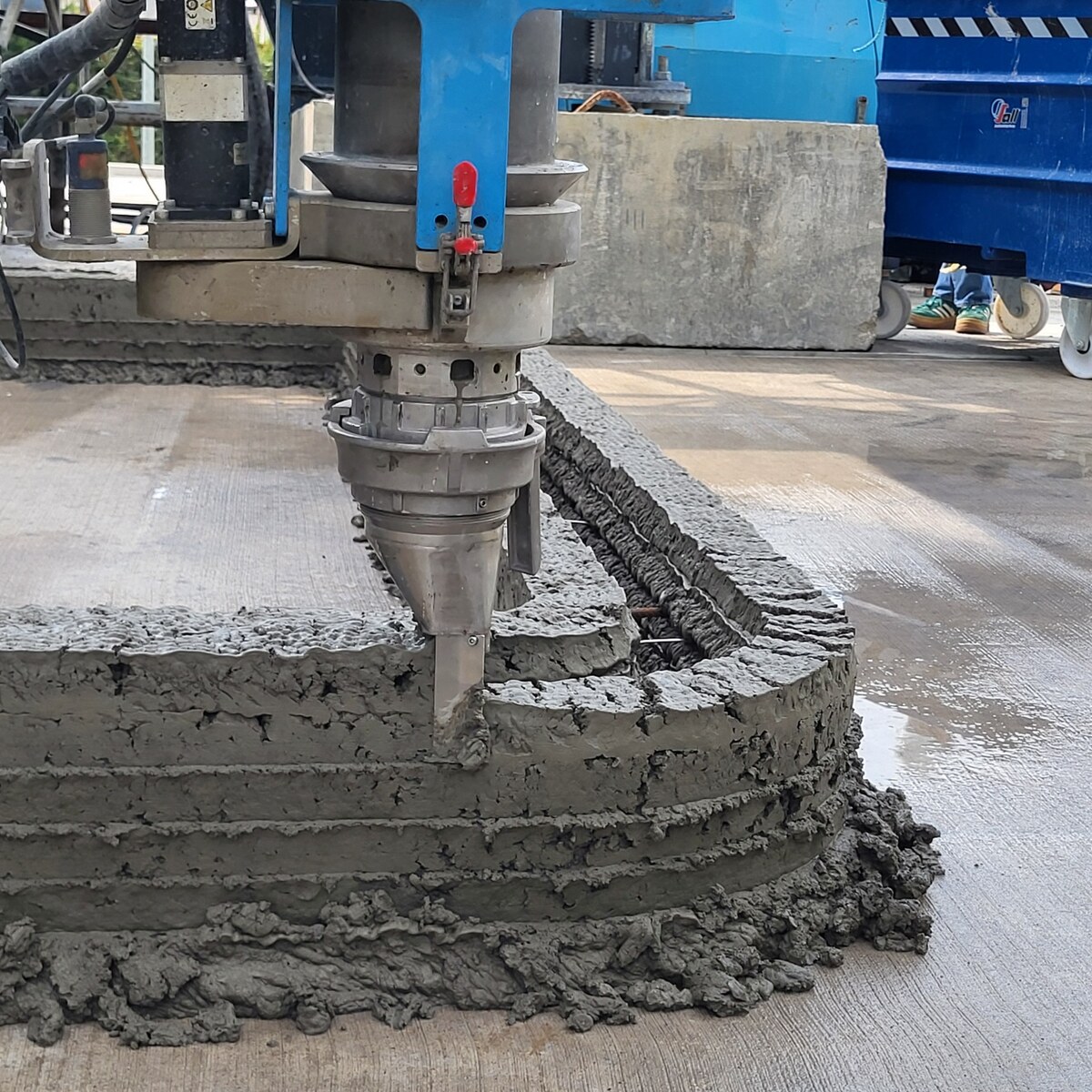
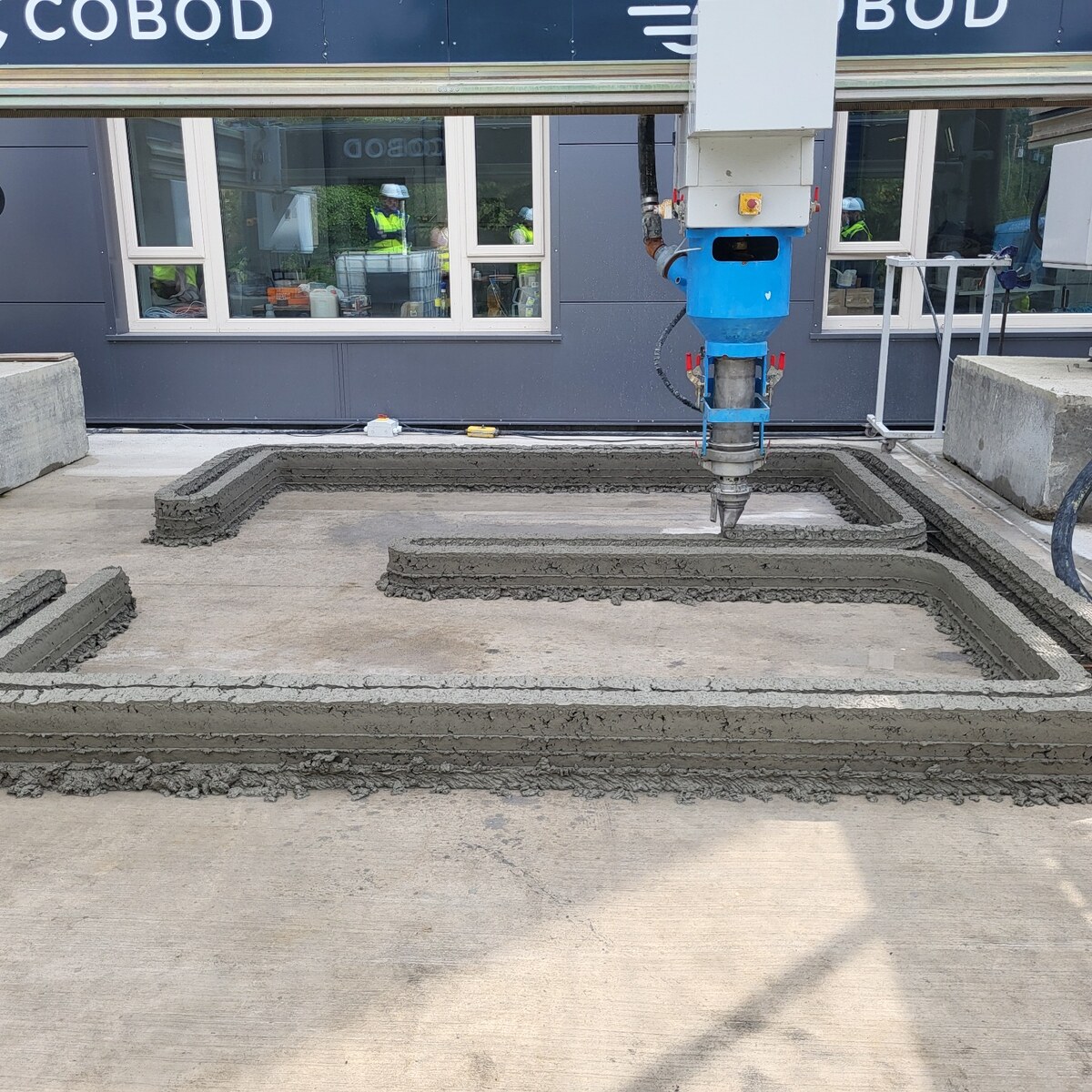
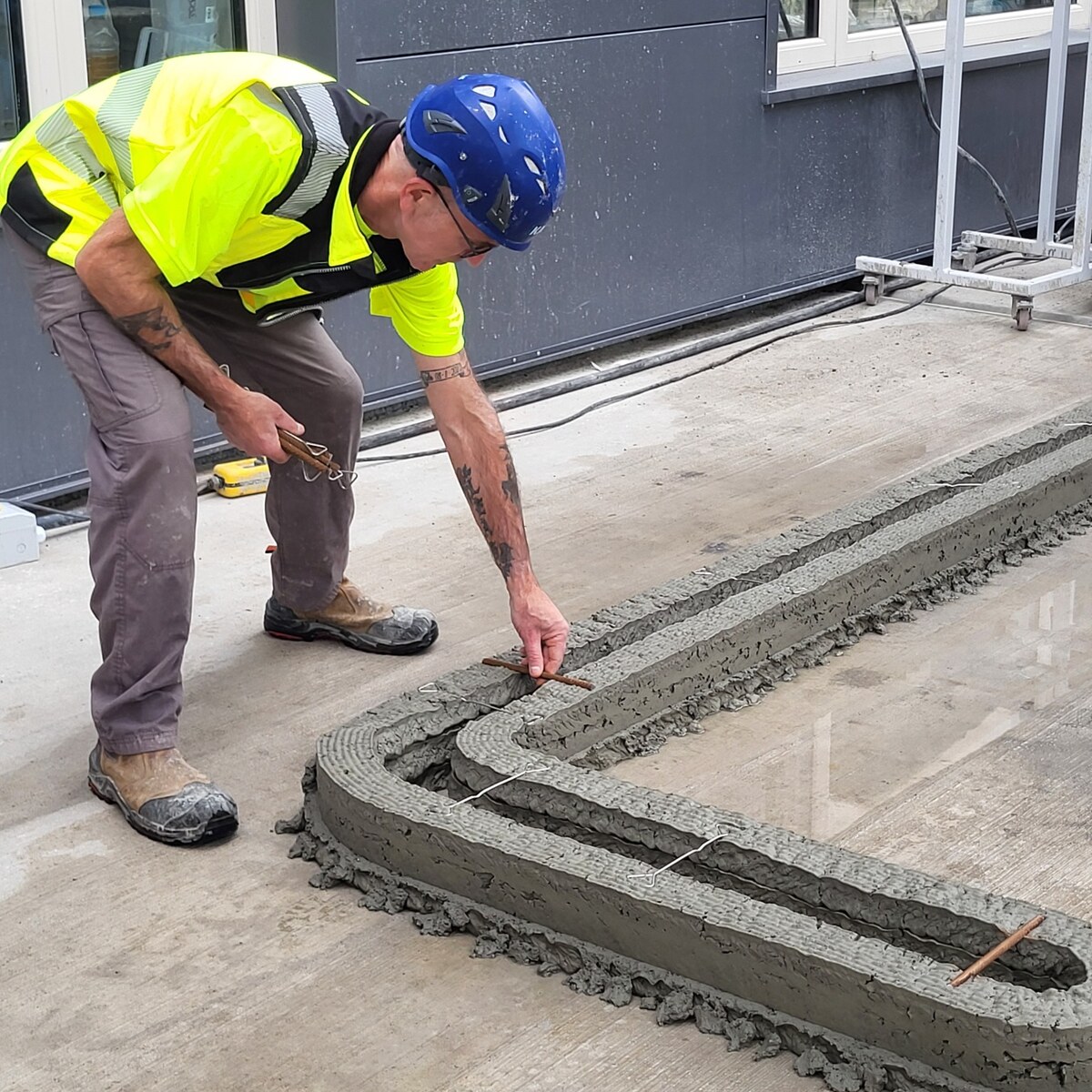
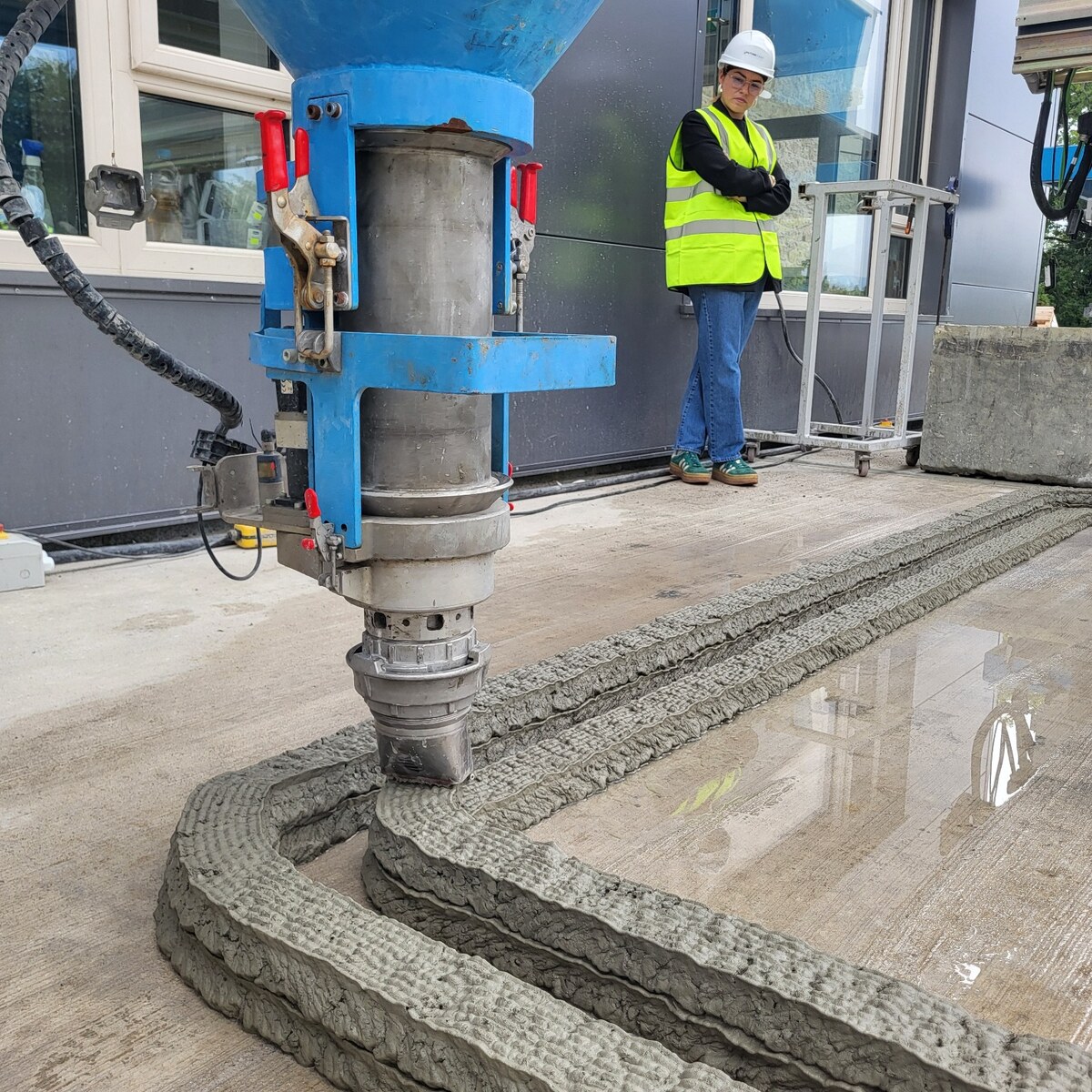
At a recent project meeting in Sligo, hosted by Munster Technological University together with Future Cast, the partners followed the complete process of 3D construction printing, from preparing and mixing the concrete to printing a foundation outdoors.
Watching the foundation emerge layer by layer brought the wider ambition of the project into focus. It gave a tangible sense of how far the technology could be scaled up and how biomass residues might replace some conventional raw materials while still meeting the performance requirements of construction.
The foundation printed in Ireland may be only the beginning. It invites us to imagine a future in which this technology moves into wider use and becomes part of how we build. Materials derived from biomass could find their place in that future, connecting technological progress with a more thoughtful use of resources. For now, these possibilities are still taking shape, one layer at a time.