
The chemical industry will continue to need carbon. The question is where those carbon atoms should come from. Replacing fossil carbon with carbon from renewable and recycled sources is not simply a matter of exchanging one raw material for another. New feedstocks must work with existing production systems. Technologies need to move from research and demonstration towards industrial scale. Reliable energy, infrastructure and complete value chains must also be in place.
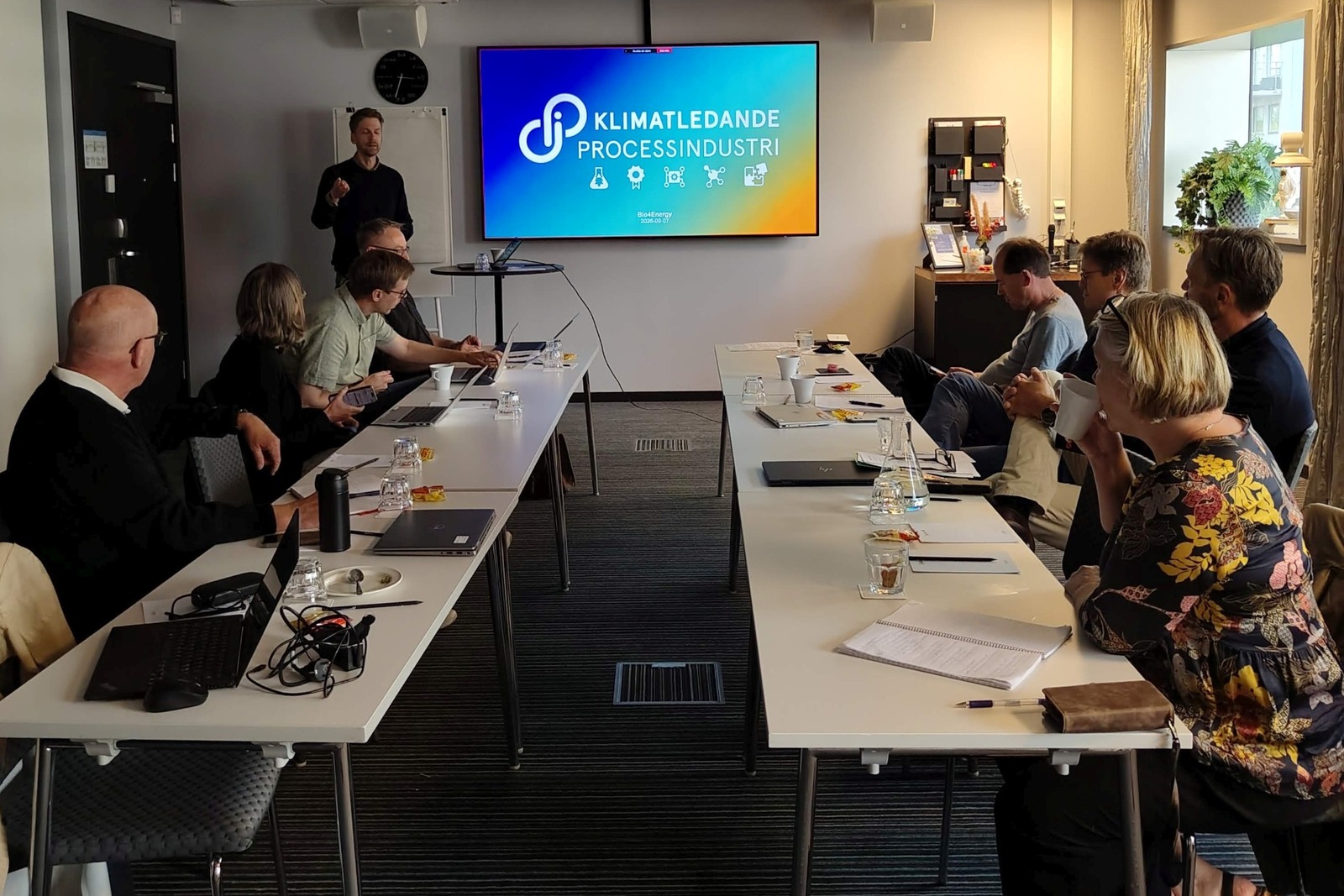
These challenges provided a concrete starting point for Bio4Energy’s Advisory Board meeting in Gothenburg on 7–8 September, held under the theme of sustainable chemistry. Over two days, representatives from research and industry explored where Bio4Energy’s expertise could connect with the transformation already taking place within the chemical and process industries.
The Hållbar Kemi cluster in Stenungsund offers a concrete example of this transformation. Its companies aim to increase the share of recycled or bio-based raw materials to 40 per cent by 2035 and 80 per cent by 2045. Behind these ambitious targets lies a very practical question: how can renewable raw materials be introduced into large industrial systems that are already in operation?
The planned production of bioethylene from ethanol offers one possible answer. Around 100,000 tonnes could be produced each year and delivered by pipeline directly to existing chemical plants. Instead of building an entirely new industrial system, renewable ethylene could gradually replace its fossil counterpart within the infrastructure already in use.
This is one important route, but it is not the only one. Circular material flows, hydrogen and new chemical processes add further pieces to the picture, as highlighted through the work of Klimatledande Processindustri. The transition will not come from one technology alone, but from finding ways for several solutions to work together, and from understanding where research can make the greatest practical contribution.
As usual, Advisory Board members also got the opportunity to share updates from recent developments, with this meeting focusing on Valmet’s development of pyrolysis technology and Öresundskraft’s ongoing carbon capture and storage initiative.
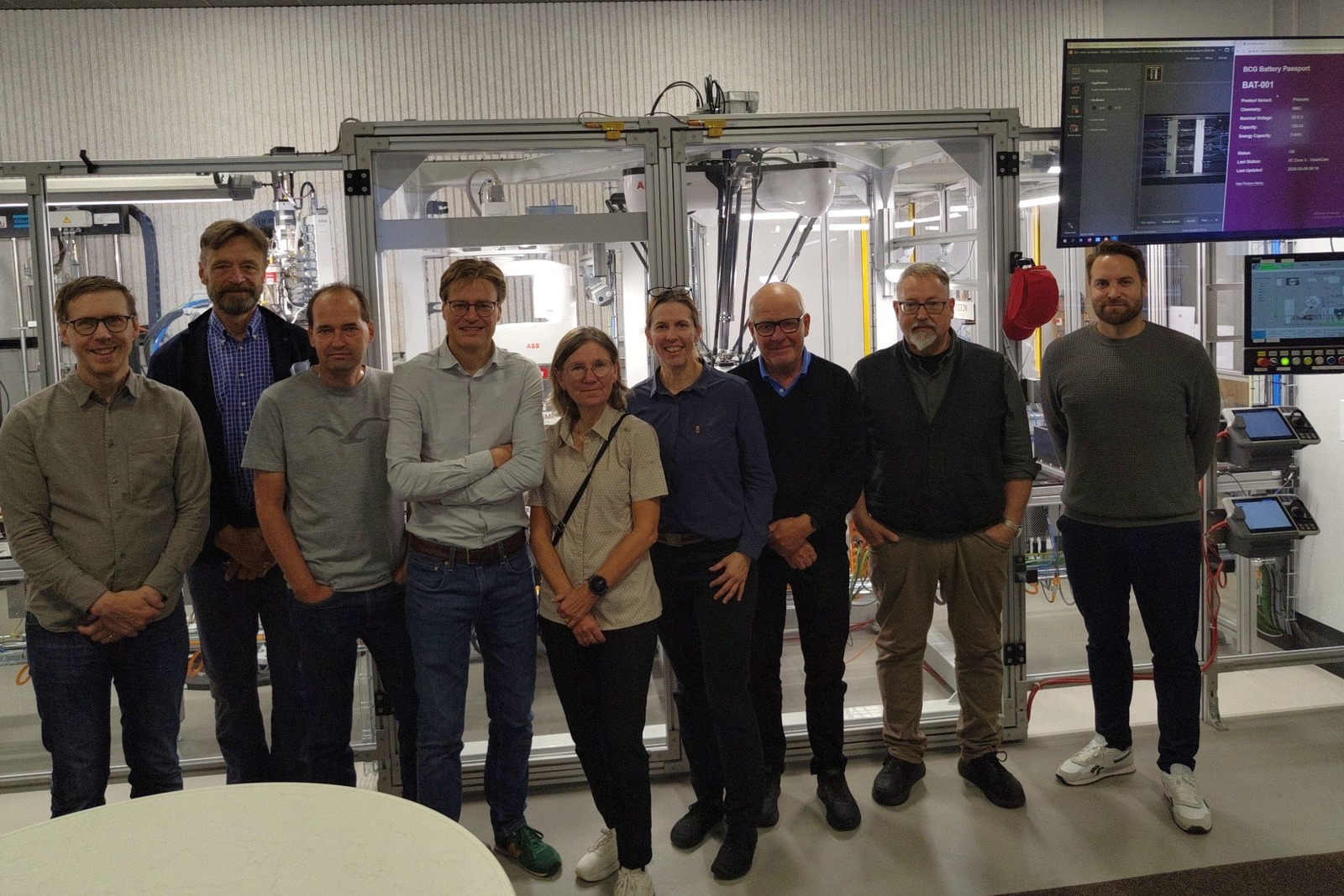
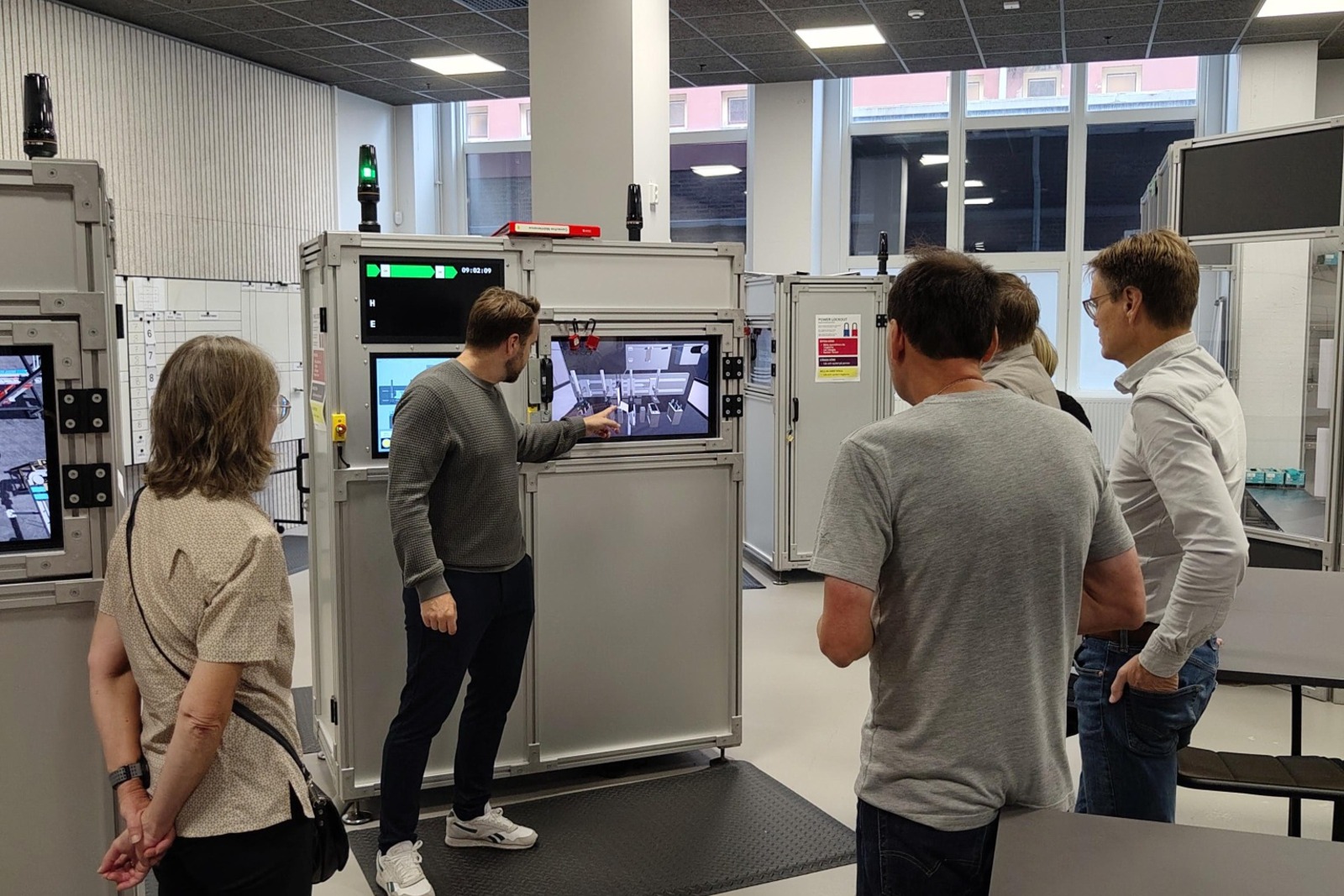
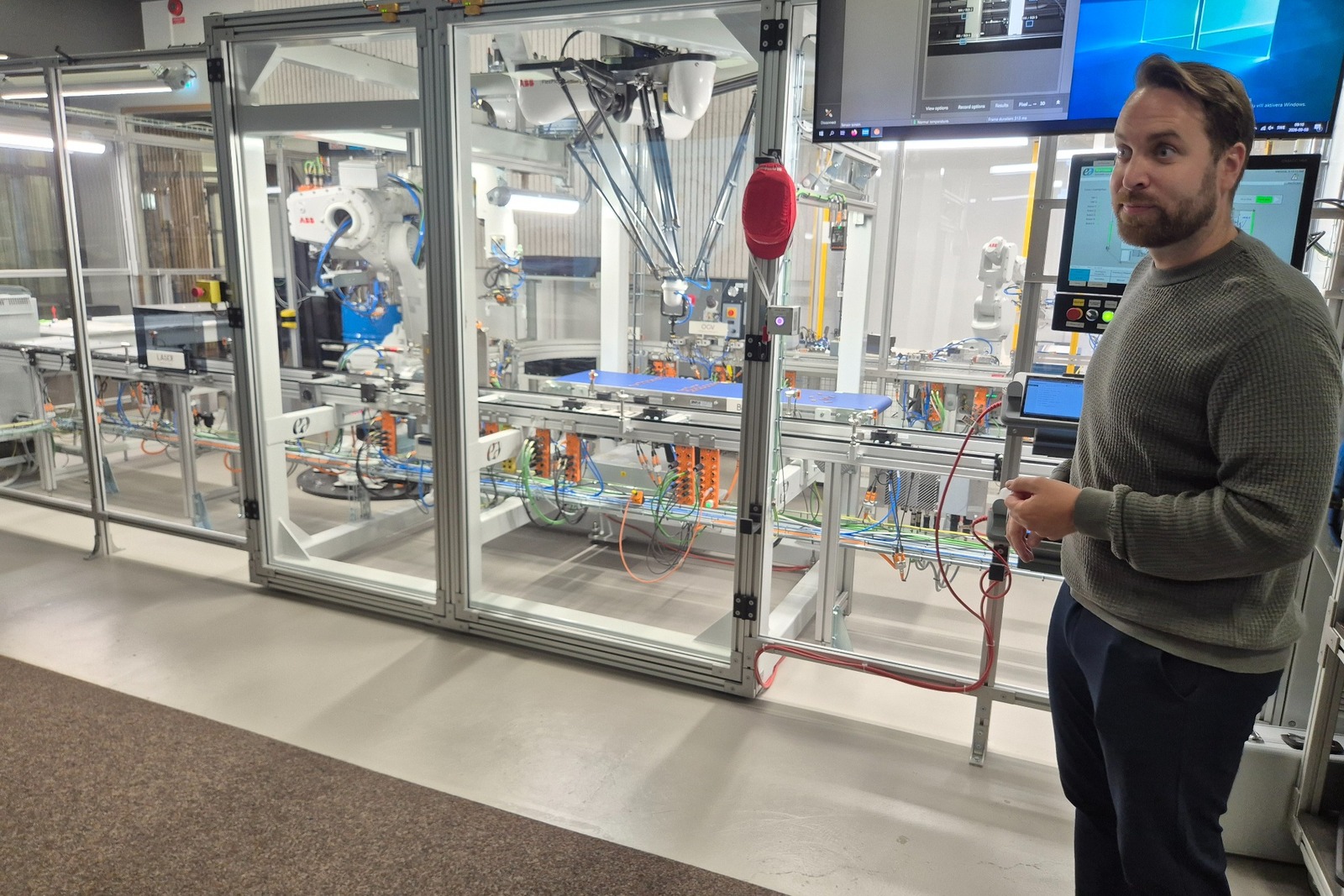
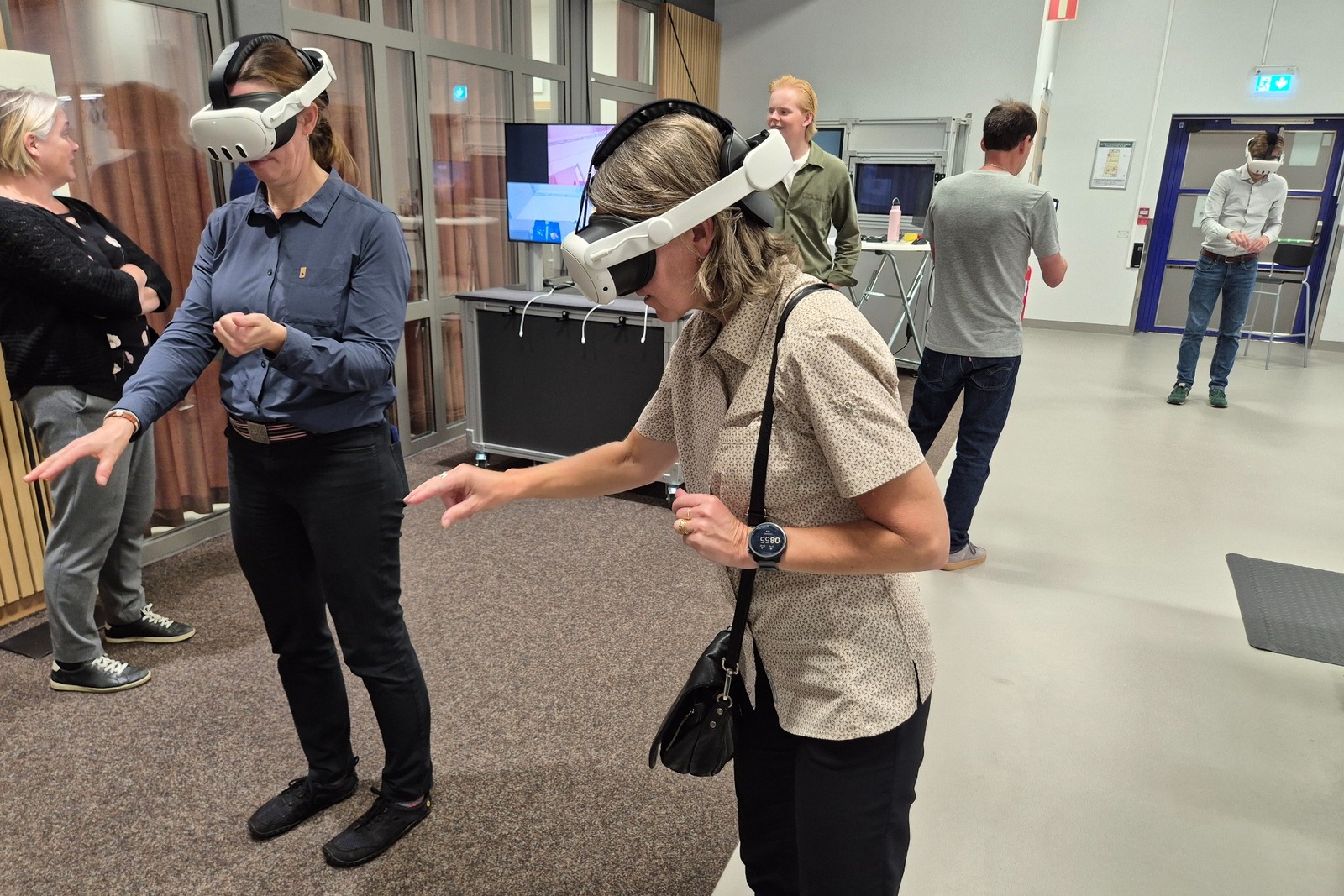
For Bio4Energy, the meeting was an opportunity to look at its research from an industrial perspective. The discussions did not end with the presentations but continued during visits to Battery Centre Gothenburg and the VAROPreem refinery.
Many thanks to our Advisory Board members, invited speakers and hosts for sharing their knowledge and experience, and for two days of open and constructive discussions: Sara Mårlind, Magnus Andersson, Joakim Autio, Björn Fredriksson Möller, Daniel Nåfors, Olov G W Öhrman and Hanna Hagberg.